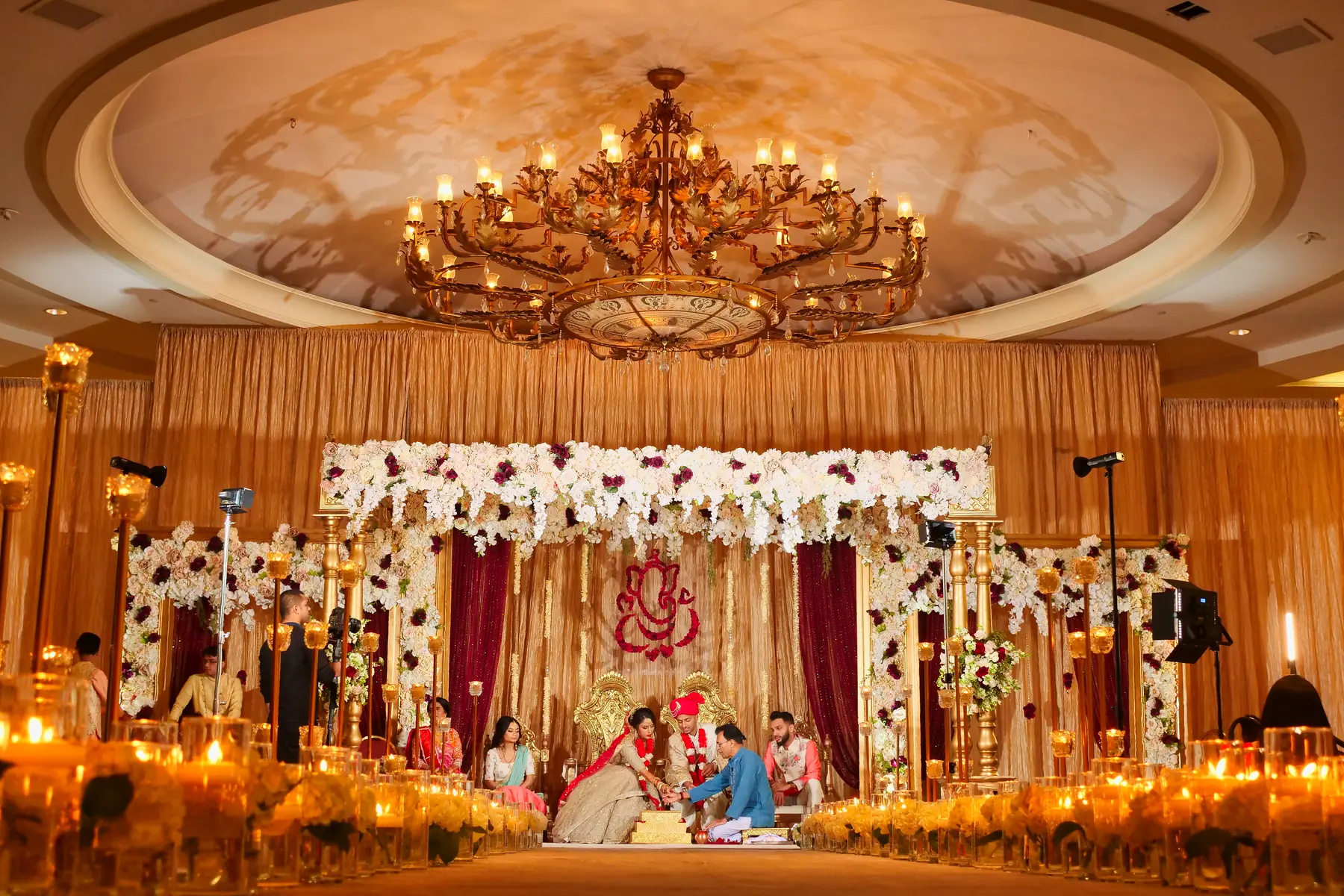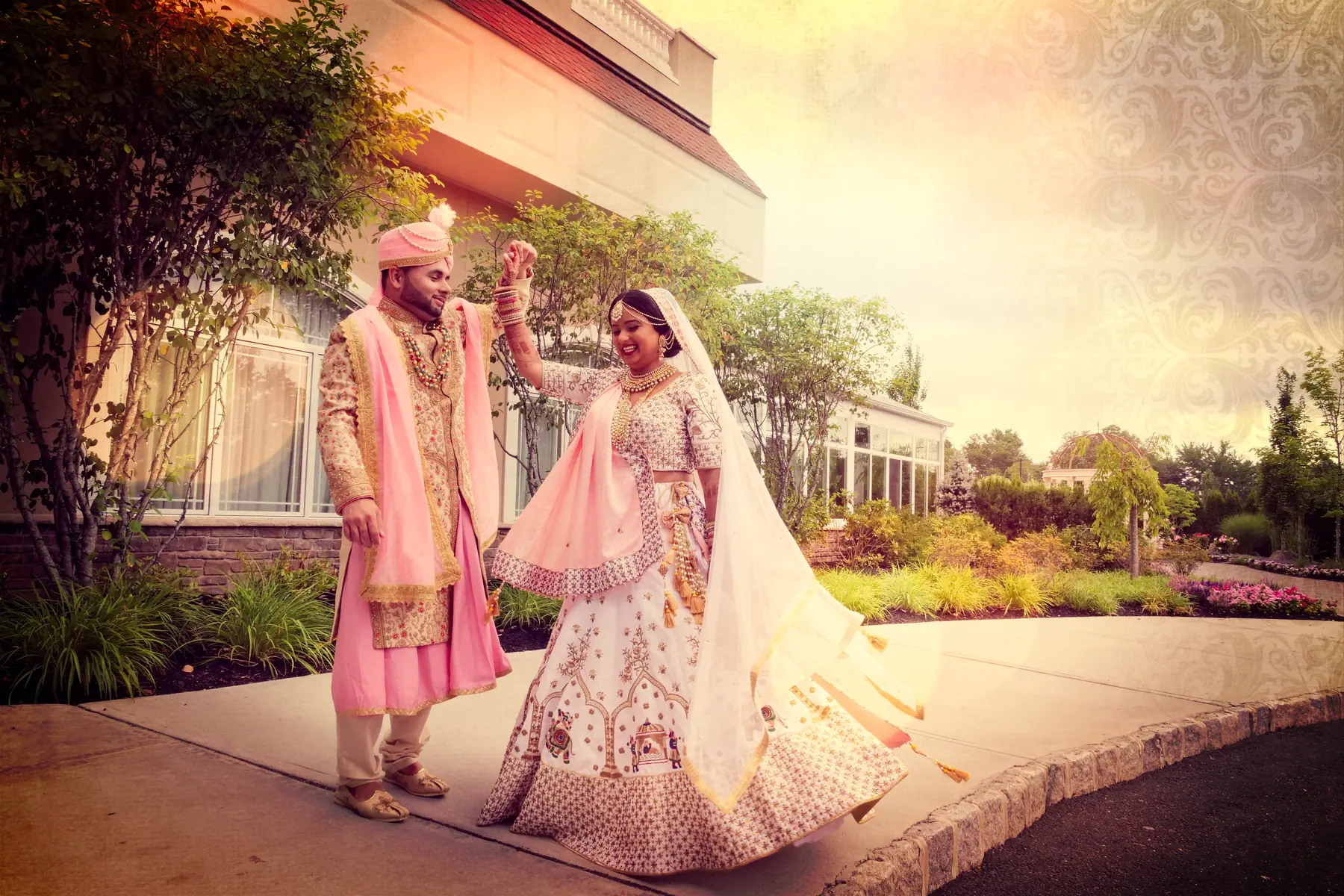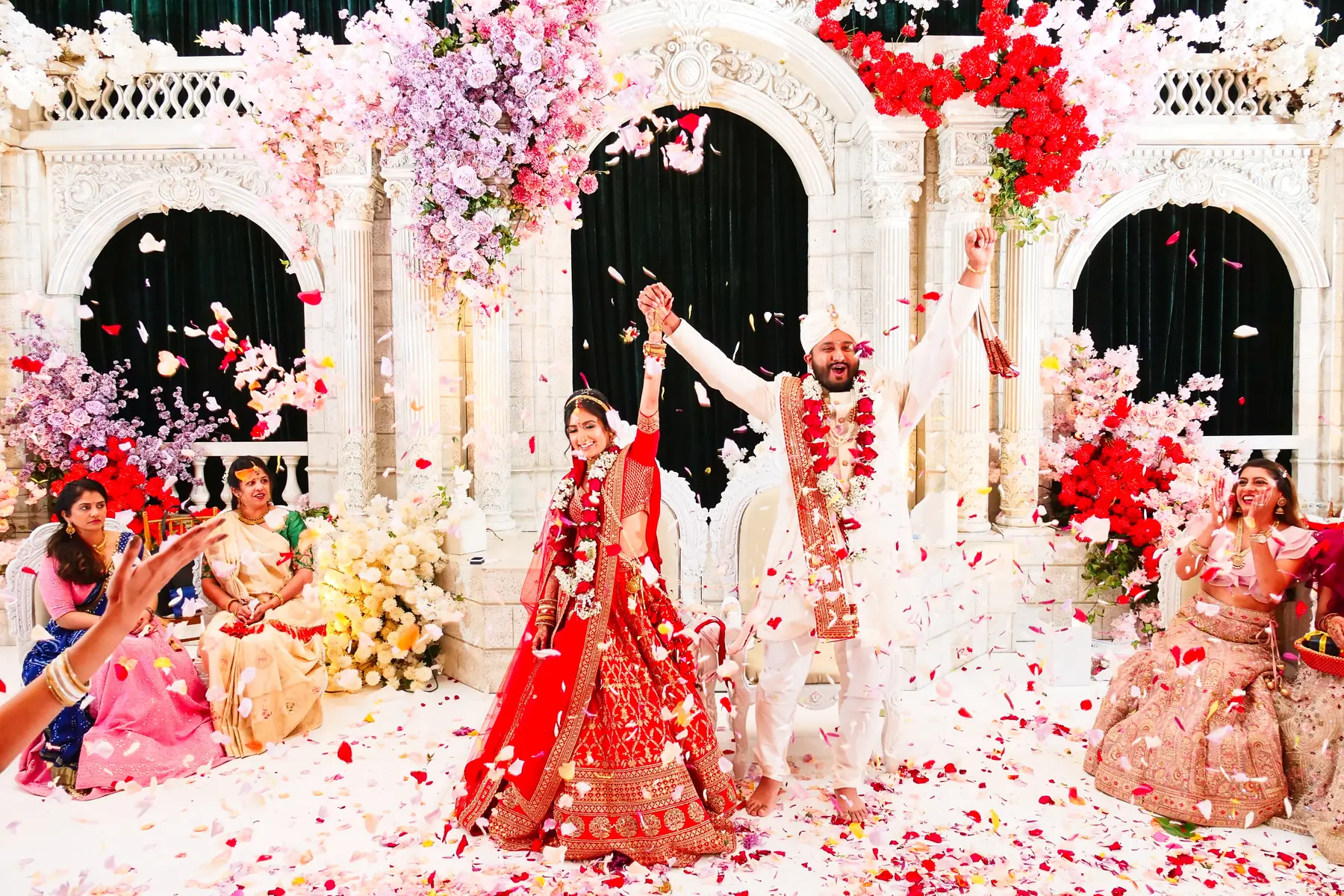
A shot list is not a script for your photographer. A good photographer will capture far more than any list, and the best pictures are often the ones nobody planned. A list makes sure the photographs that matter most to your family are never forgotten, especially the people, the heirlooms and the small rituals unique to your traditions. Use this checklist as a starting point, cross out what does not apply and add what does.
What should an Indian wedding shot list include?
Think in three layers. First, the events and rituals, which an experienced photographer will cover anyway. Second, the people: relatives traveling from India, grandparents, friends who matter to you. Third, the things only your family knows about: a grandmother’s necklace, a father’s turban, a sari your mother wore at her own wedding. The second and third layers are where a written list helps most.
Details before the day begins
- The invitation suite and the kankotri or wedding card
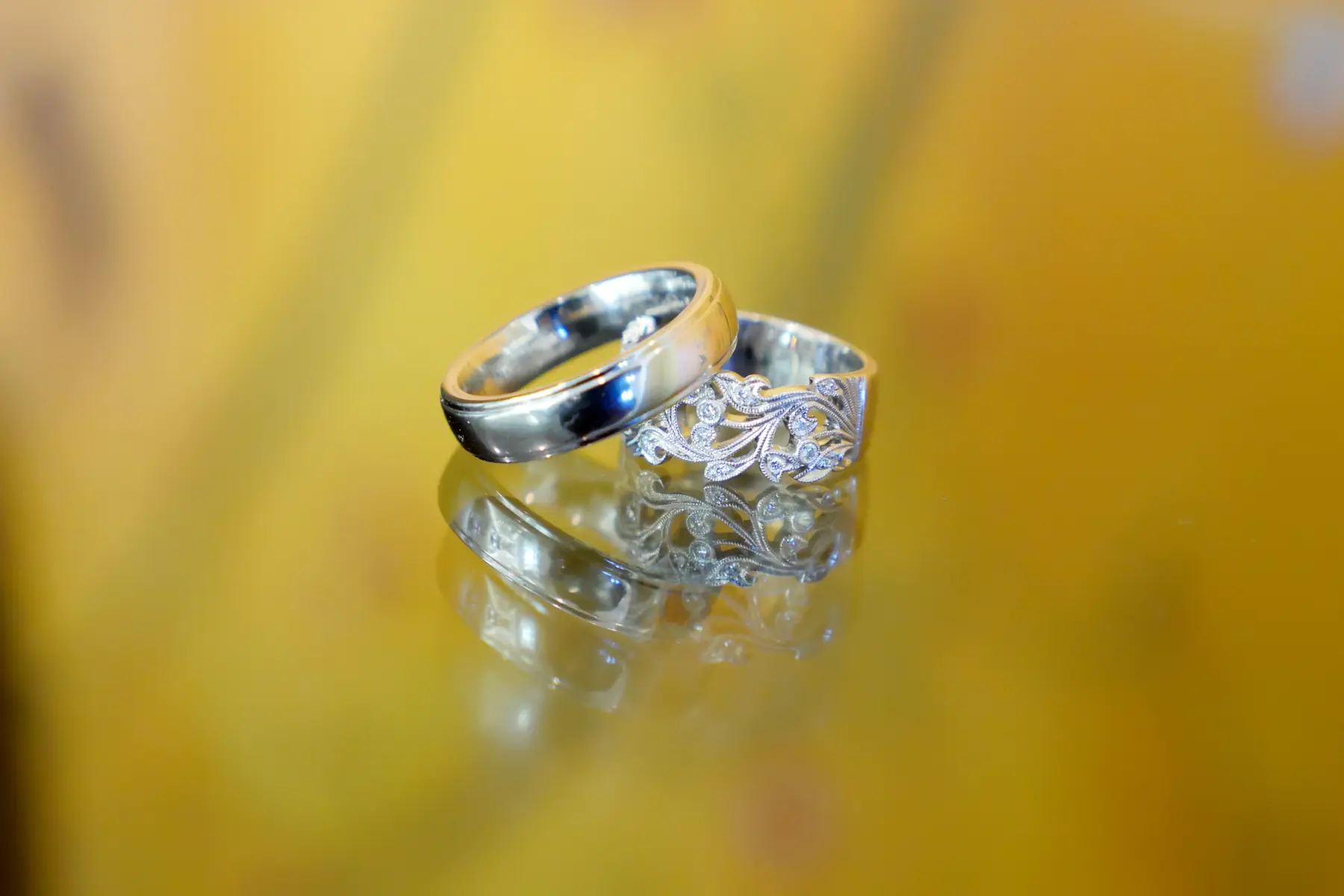
- Rings, the mangalsutra and family jewelry
- The bride’s outfits laid out together
- The groom’s sherwani, safa, mojaris and sehra
- Heirlooms with a story, photographed with the person who gave them
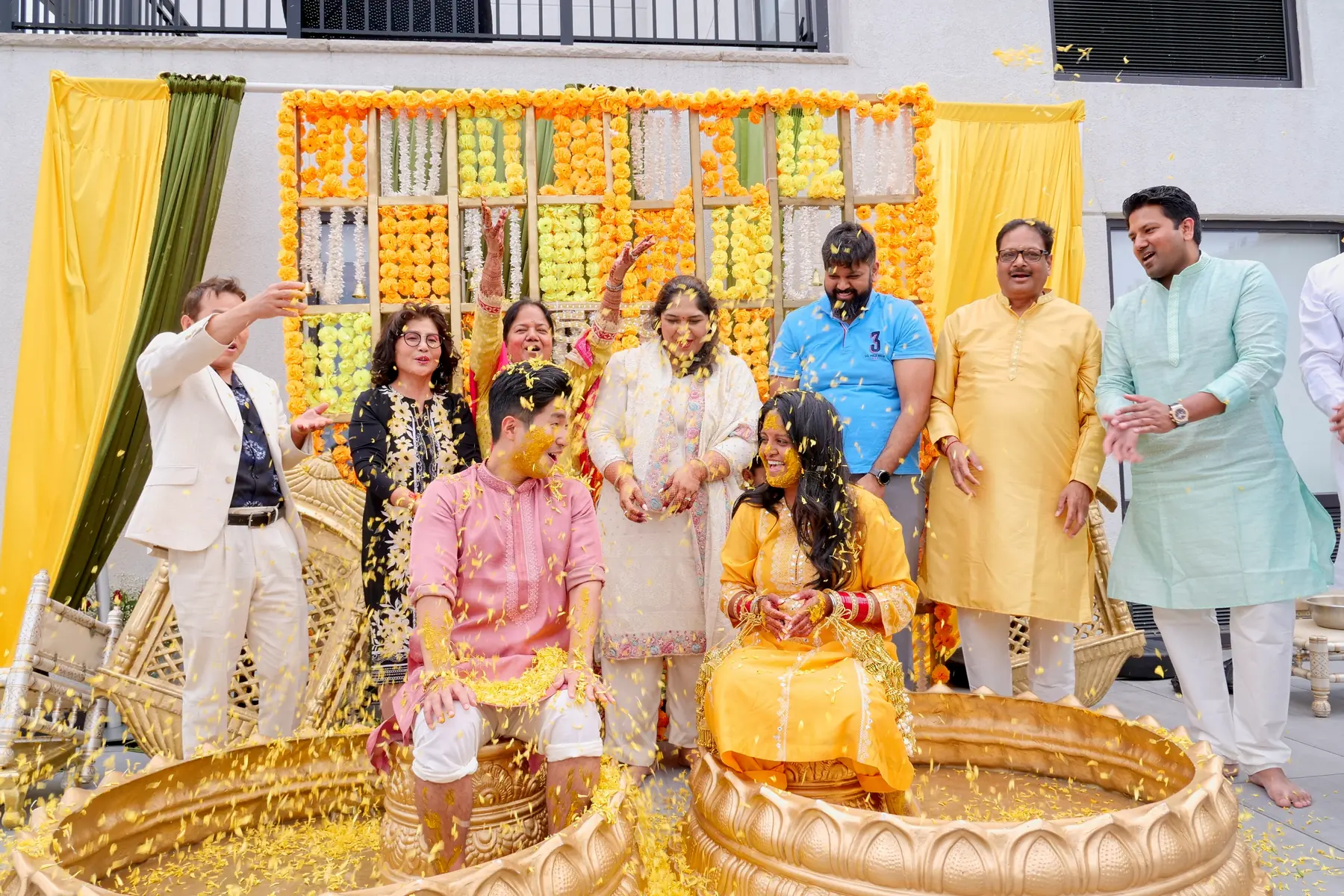
Haldi
- The bride and groom before the turmeric
- Family members applying haldi, one by one
- Elders giving blessings
- Close-ups of hands and faces covered in yellow
- The moment it turns into a playful mess
- Group photographs with cousins
Mehndi
- The design in progress, and the finished hands and feet
- The hidden initials, if there are any
- The bride with her closest friends and sisters
- Bangles, the chooda or kaleere
- The mehndi artist at work
- The music and dancing that follows
Sangeet or garba
- Each family performance, from the stage and from the floor
- The couple’s own dance
- Parents and elders joining in
- The garba circle from above, if the room allows
- The wide view of the room at its fullest
Getting ready
- Mother or sister helping with the dupatta and jewelry
- The groom’s safa being tied, and the sehra
- A parent seeing the bride or groom dressed for the first time
- The final look in the mirror
- Quiet portraits before leaving the room
Baraat and milni
- The groom on the horse, in a car or on an elephant
- The dhol players and the dancing friends
- The groom’s family leading the procession
- The bride’s family waiting at the entrance
- The milni, relatives embracing and exchanging garlands
- The welcome at the door
The ceremony
Rituals vary by tradition, so tell your photographer which ones your priest will include and roughly when. Common moments include:
- The mandap before guests arrive
- The bride’s entrance, under a phoolon ki chadar or escorted by her brothers or uncles
- The varmala, with both sides lifting the couple
- The kanyadaan
- The gathbandhan, the knot being tied
- Each phera, or each of the four laavan at a Sikh Anand Karaj
- The saptapadi, the seven steps
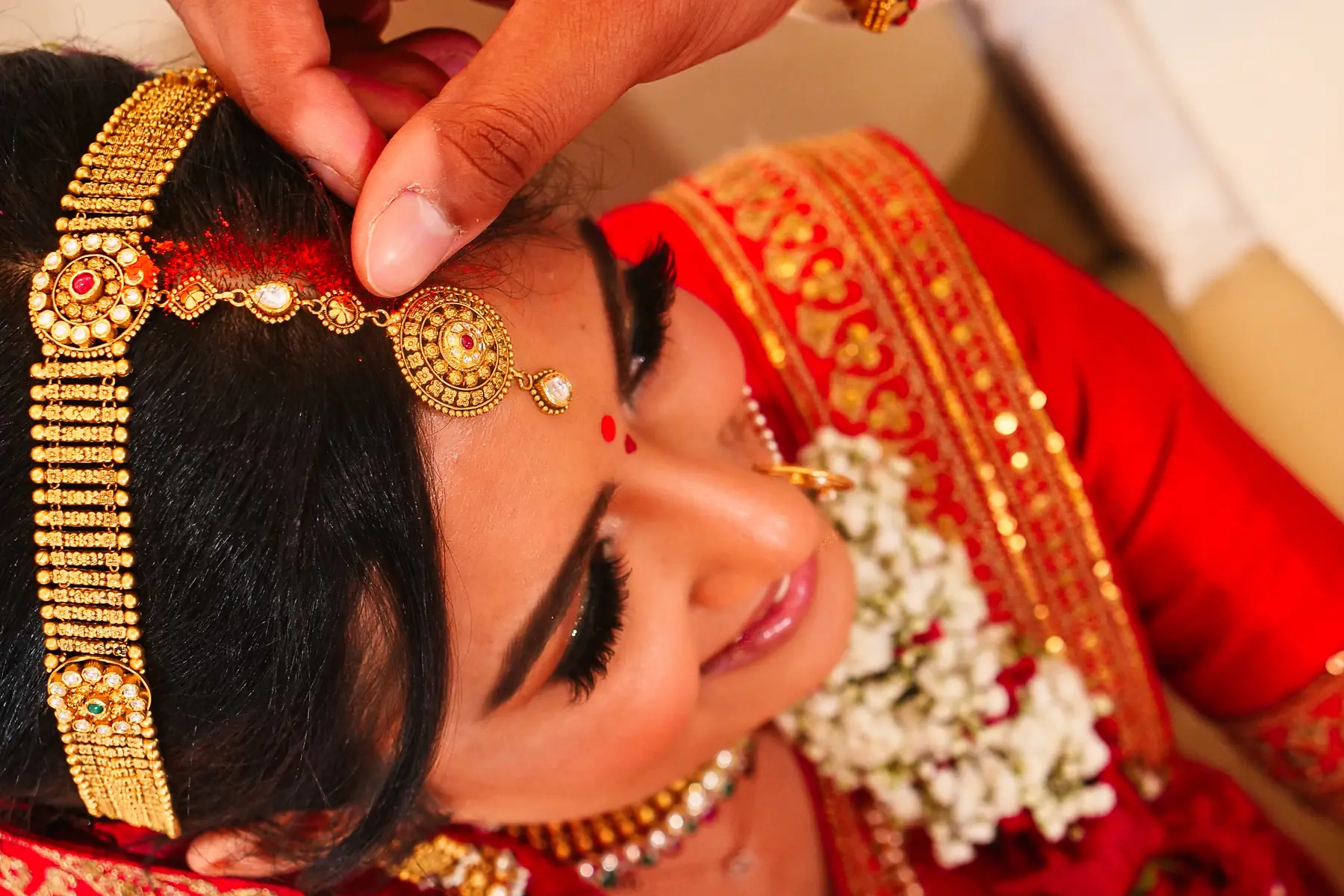
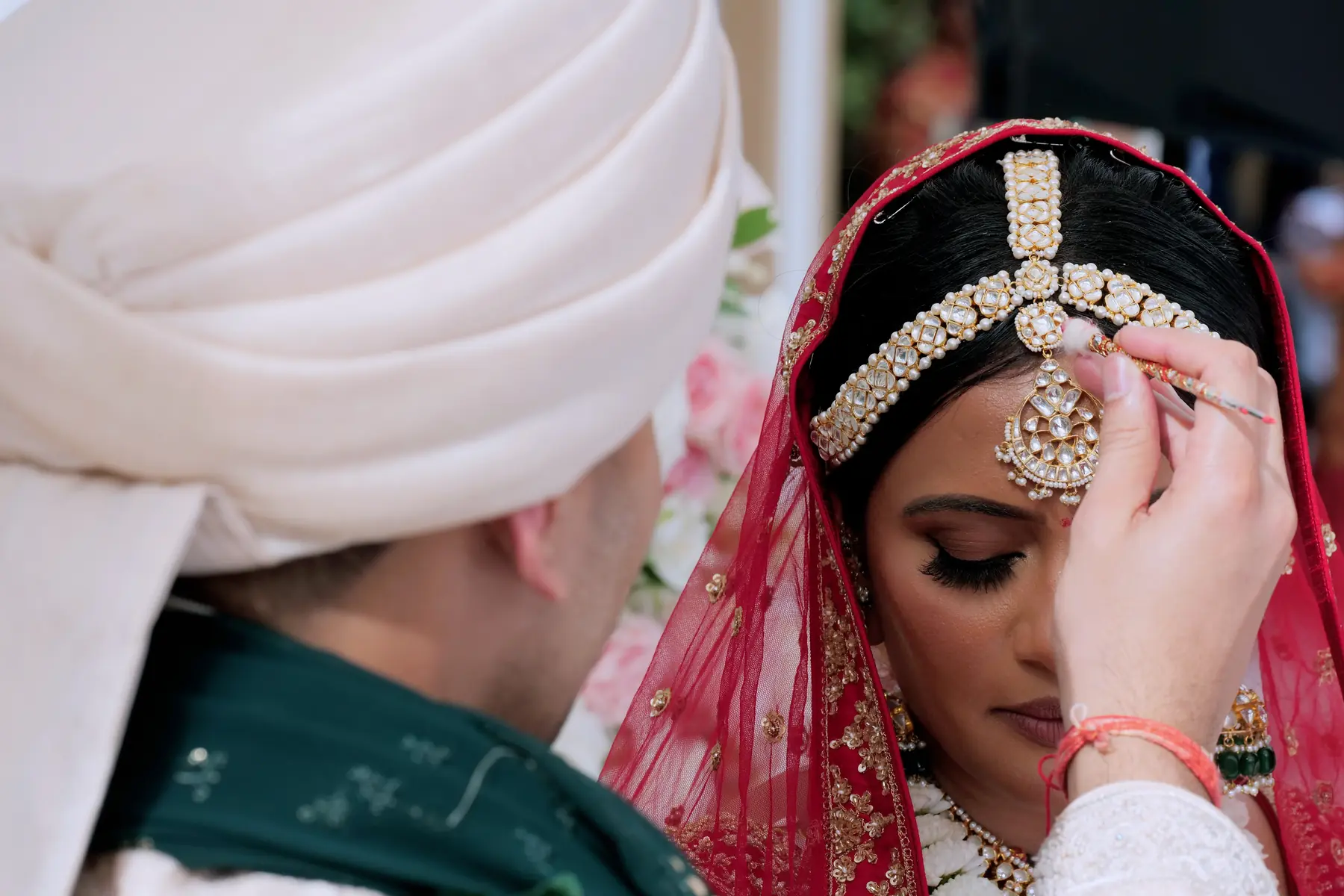
- The sindoor and mangalsutra, or the thali at a South Indian wedding
- The joota chupai, and the negotiation that follows
- The families’ faces during the vows
Vidaai
- The bride saying goodbye to her parents
- The rice thrown over her shoulder
- Siblings and cousins at the car
- The couple leaving together
How do we write the family portrait list?
Write groups as names, in order, not as relationships. "Priya Masi and family" is easier to call out than "mom’s side." Start with the largest groups so most relatives can leave early, and finish with grandparents and parents. A list for one side might look like this:
- Couple with both full families
- Couple with the bride’s extended family
- Couple with the bride’s aunts, uncles and cousins
- Couple with the bride’s siblings and their families
- Couple with the bride’s parents
- Couple with the bride’s grandparents, seated
Repeat for the groom’s side, then add any special groups: college friends, a dance group, colleagues. Plan about two minutes per group.
Couple portraits
- A quiet moment before the day begins, or a first look
- Portraits in the venue’s best spaces
- Golden hour, if the timing allows
- Close portraits of jewelry, mehndi and the safa
- A night portrait at the reception
Reception
- The room before guests arrive
- The grand entrance
- The first dance and the family dances
- Speeches, and the faces listening to them
- The cake
- The dance floor at its peak
- The send-off
Which photographs do parents and grandparents usually ask for?
After the wedding, the photographs elders ask about are rarely the dramatic ones. They want the blessing at the haldi, the moment they placed a hand on the couple’s head, the group with every sibling of their generation, and a calm, simple portrait of themselves dressed for the day. Ask your parents for their list early. It is often short, and it is almost always the part of the album they open first.
How should we share the shot list with our photographer?
Send it two to three weeks before the wedding, together with the timeline and the venue addresses. Mark the must-have items, keep the list short enough to read in five minutes, and name the relative who will help with family portraits. Tell your photographer about anything sensitive, such as divorced parents or a relative who cannot stand for long, so groups can be arranged with care.
What a shot list cannot do
It cannot capture the laugh nobody planned, or the look between two people across a crowded room. That comes from experience and from photographers who know what is about to happen. See our timeline guide, Hindu ceremony guide and baraat photography guide, or read about our Hindu wedding photography. When you are ready, check your date.