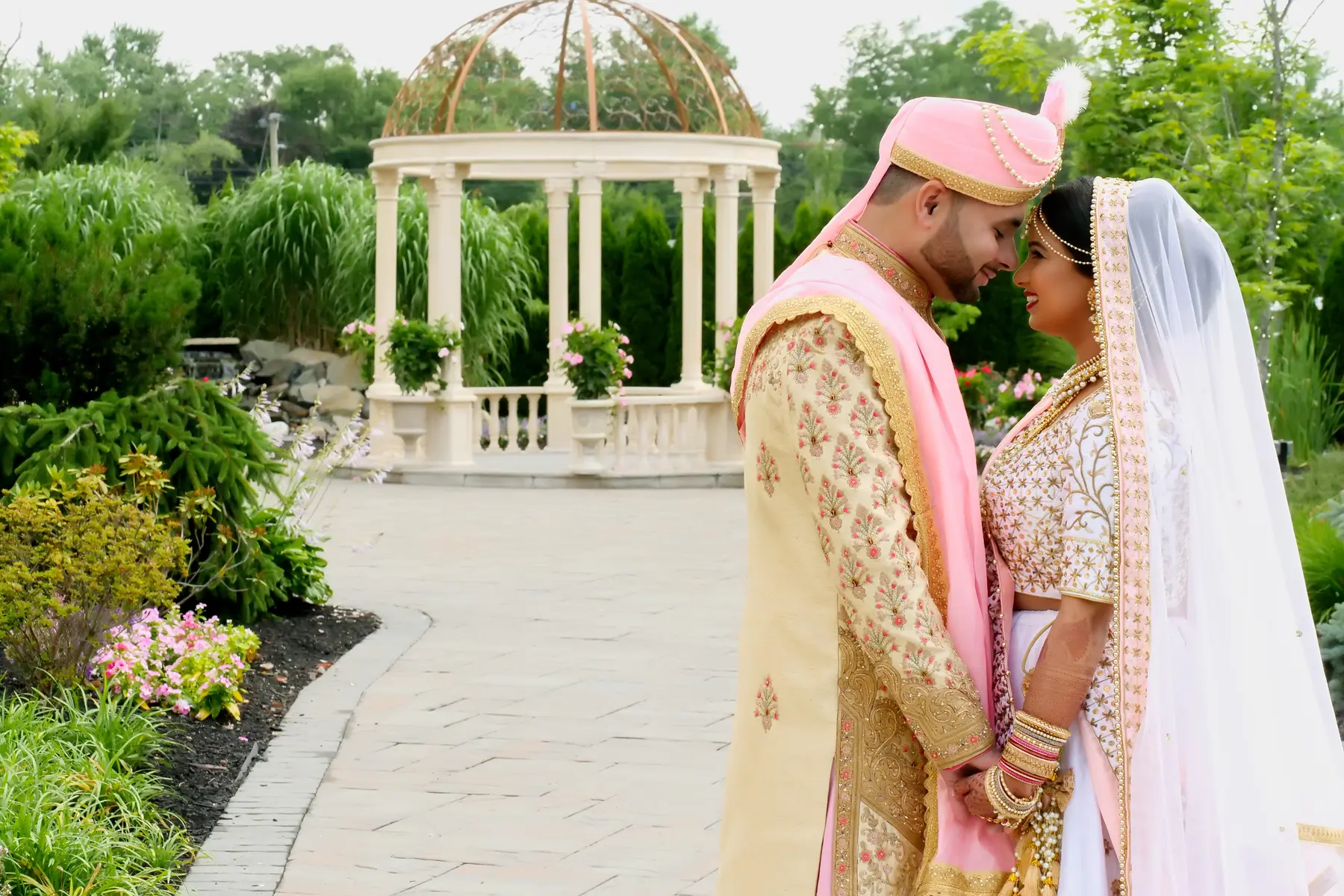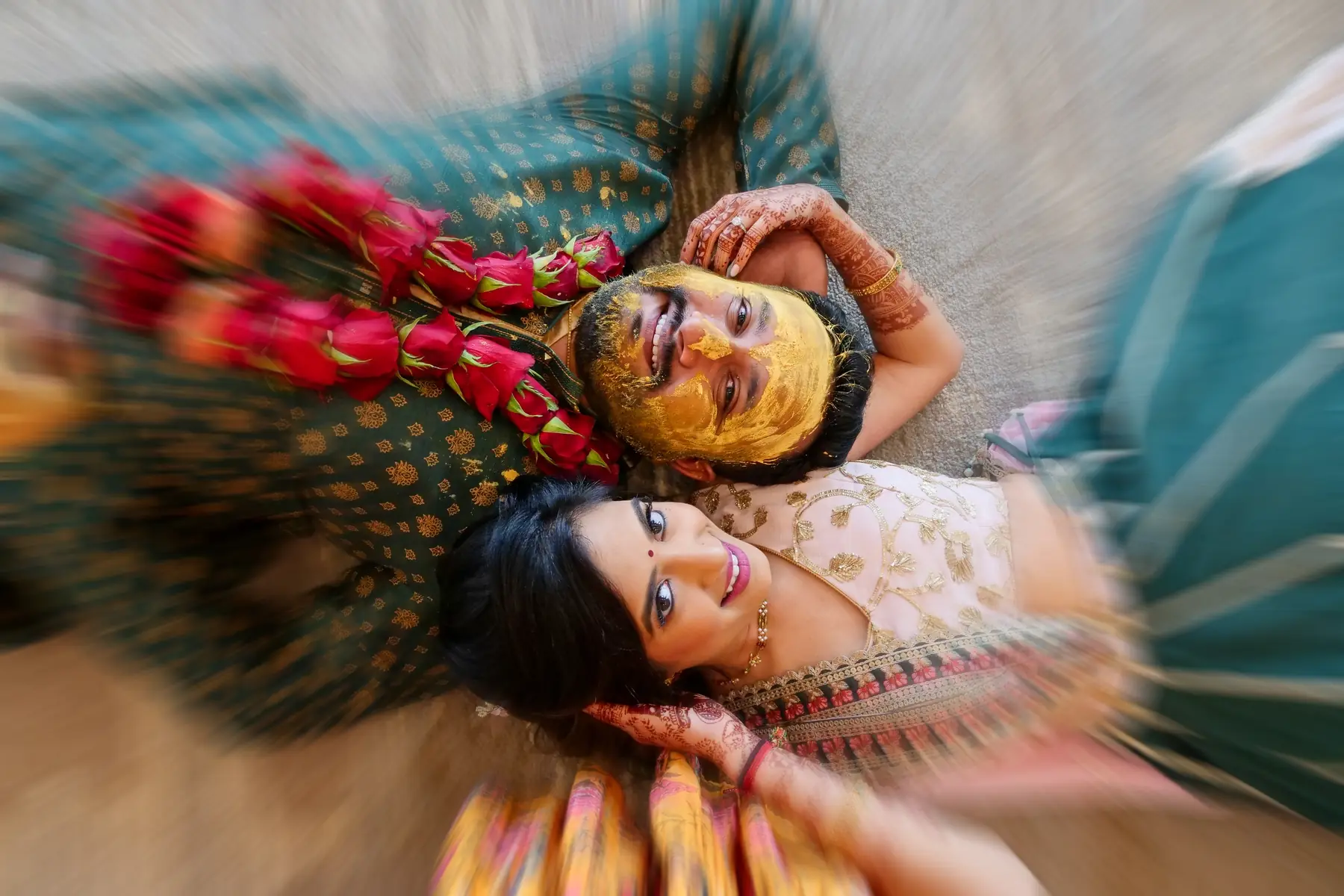
Why the pre-wedding events matter
The ceremony is formal. The days before it are where the family relaxes: aunts teasing the groom with turmeric, cousins rehearsing the Sangeet routine for weeks, the bride’s hands slowly covered in mehndi while the music plays. These are the photographs families laugh at for years.
They are also the events where relatives are most themselves, in fewer formal clothes and with fewer rules, so the photographs feel closer to everyday family life than anything from the wedding day.
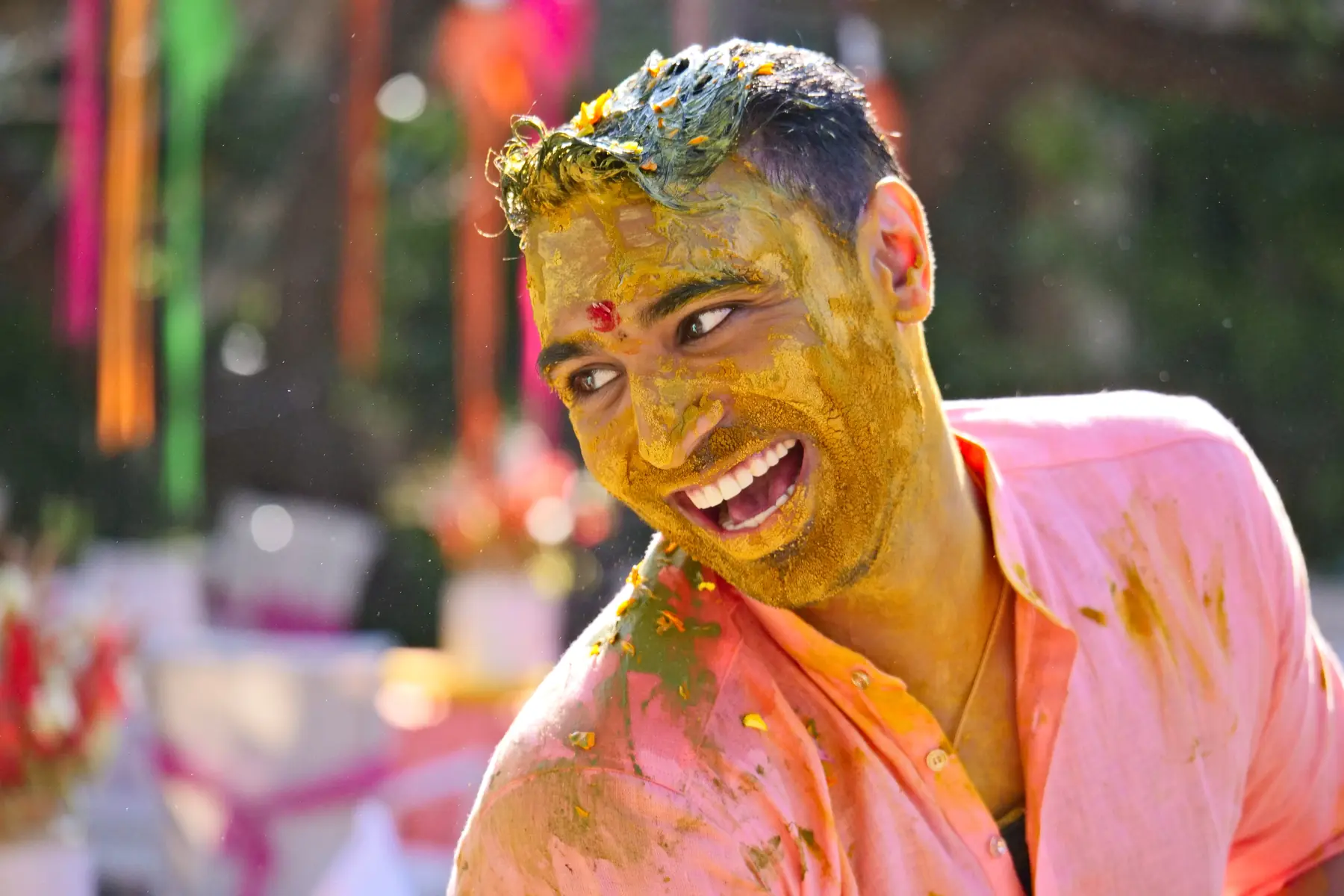
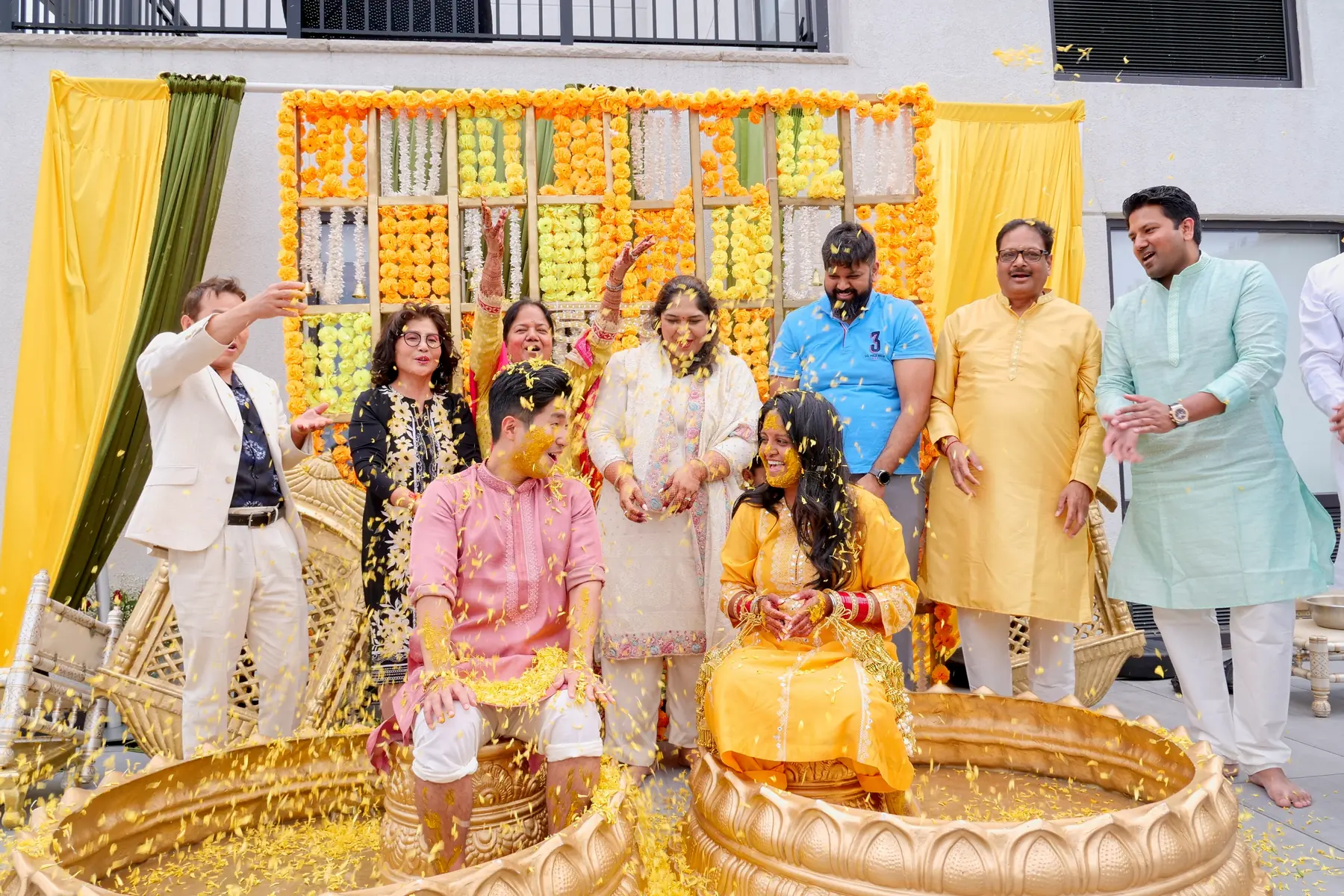
Haldi: color and chaos
The Haldi is usually in daylight, often outdoors or at home, and it gets messy. We plan for the bright light, the yellow outfits and the turmeric flying everywhere, and we protect our cameras so we can stay close to the action.
How to plan a Haldi that photographs well:
- Hold it in daylight, ideally in open shade or in the morning, rather than under harsh midday sun.
- Wear yellow, white or pastel clothes you are happy to ruin.
- Do the formal blessings first, before the playful turmeric fight begins.
- Take a quick family photograph while everyone is still clean.
- Keep towels, wipes and a change of clothes nearby for afterwards.
In Florida, and at summer weddings elsewhere, the Haldi often moves to a pool deck or a garden, and sometimes ends with the bride or groom in the water. We plan where to stand, protect the cameras and time it for softer light.
In Punjabi families the same ritual may be the maiyan, in Muslim families the mayun or ubtan, and in Gujarati families the pithi. Read our Haldi photography tips.
Mehndi: detail and calm
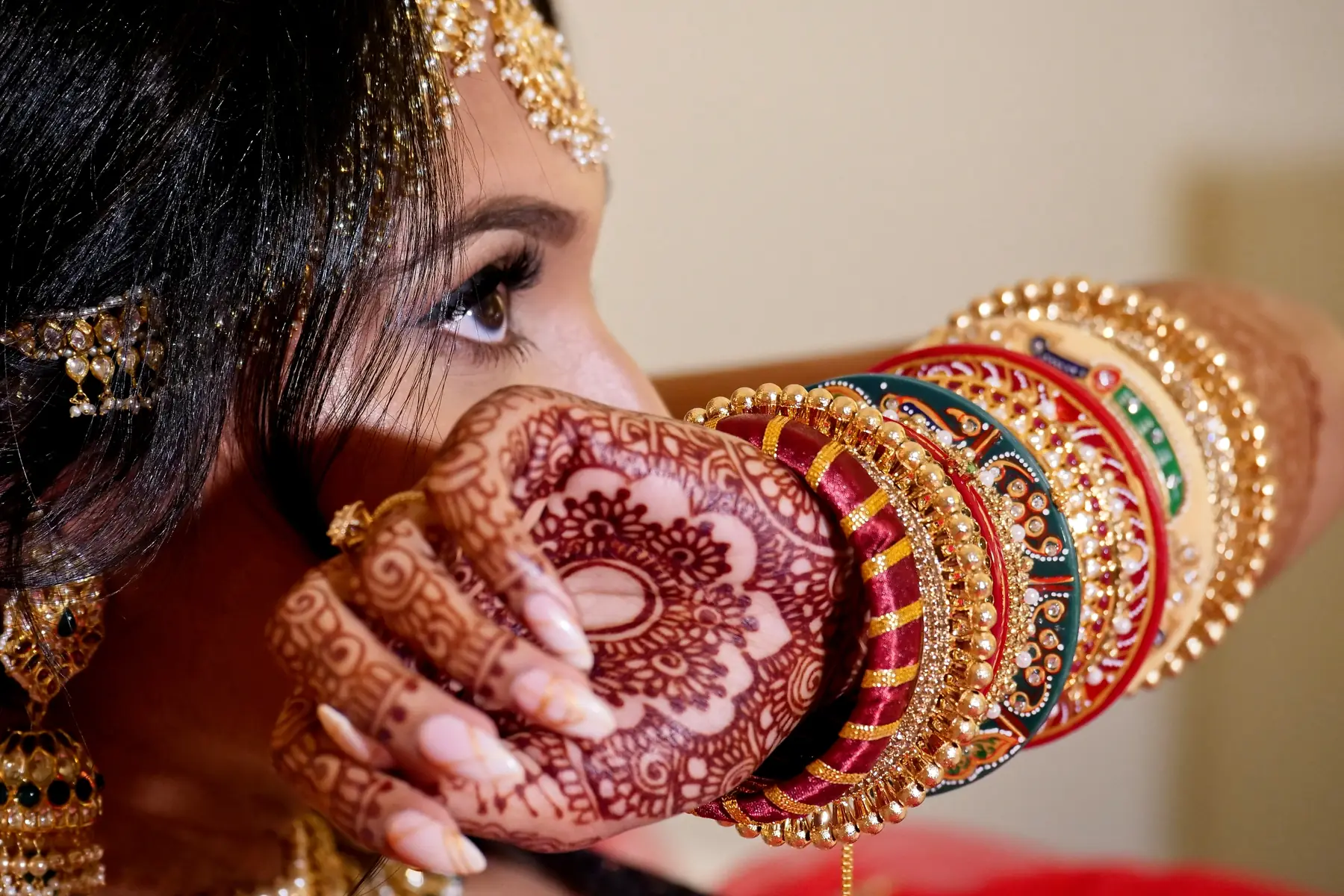
The Mehndi is slower. The bride’s design can take several hours, so we photograph it in stages: the first lines, the pattern half finished, the groom’s initials hidden somewhere in it, and the finished hands with bangles and jewelry. Around it, friends dance, aunts sing, and someone always feeds the bride because her hands are busy. Many families also have a small design applied for the groom and invite mehndi artists for the guests; those tables, full of friends comparing designs, make some of the warmest candid photographs of the weekend. See our Mehndi night photo tips.
Sangeet and Garba: performances and the dance floor
The Sangeet is lit for a party, not for a camera. We plan for low light, fast movement and the stage, so every family performance is covered, then we step onto the floor for the dancing. Garba nights need a high angle to show the circles and close frames to show the joy.
How to make your Sangeet photograph well
- Share the performance order and running time with us before the night.
- Ask your DJ or lighting team for some front light on the stage, not only colored washes.
- Keep the couple’s entrance and the first family performances early, while everyone is fresh.
- Save time for a few couple portraits in the Sangeet outfits before the party starts.
Who should be in the Sangeet photographs?
- Each performance group, before and after their dance, not only during it.
- The couple watching, since their reactions matter as much as the performance.
- Grandparents on the dance floor, which is often the photograph of the night.
- The dhol players, the band or the DJ who kept the room moving.
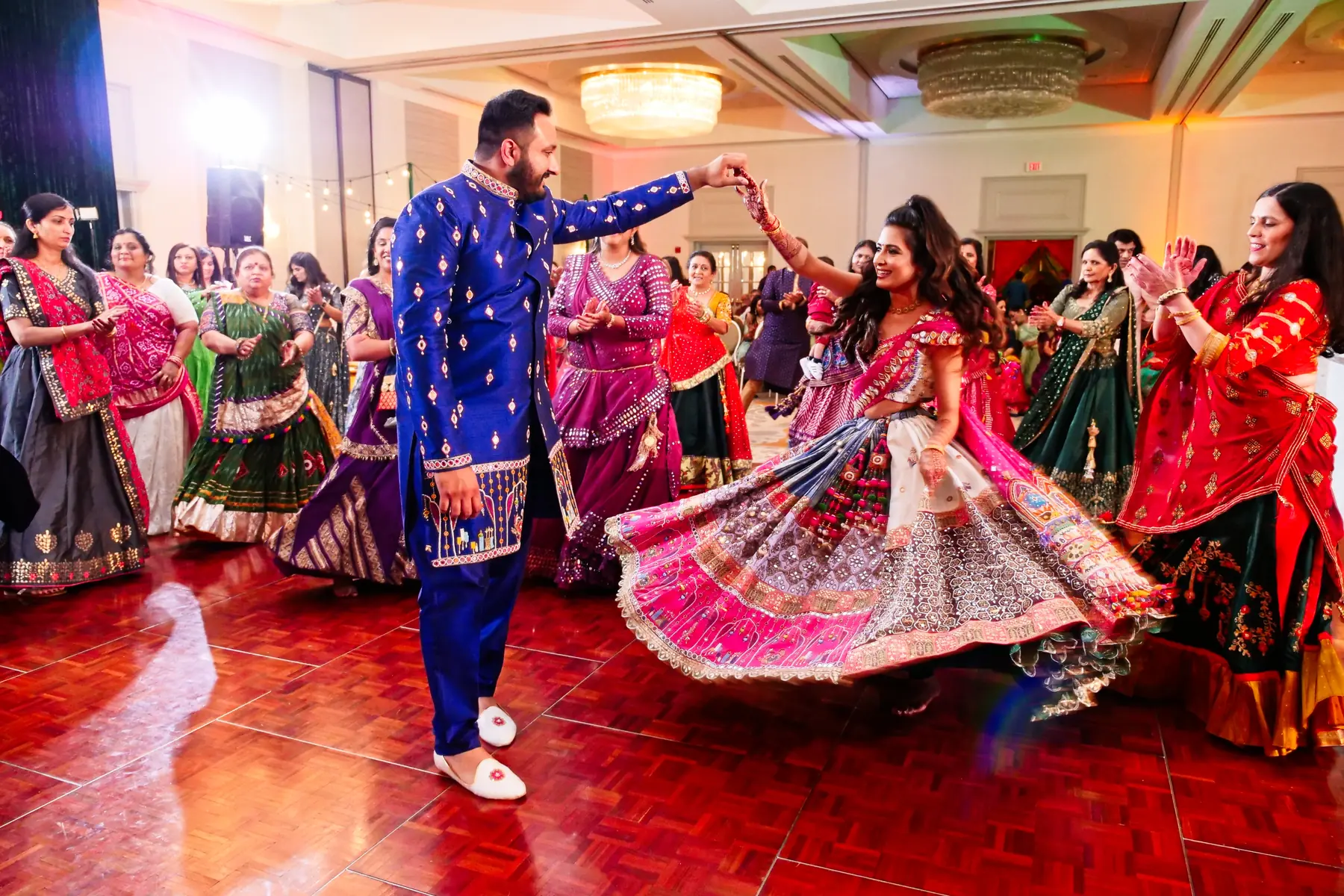
The most replayed part of many wedding films is not the ceremony. It is the Sangeet.
Jaago, dholki and garba: every family’s version
Pre-wedding nights look different in every community: the Punjabi jaago, with its pot of lights carried through the dancing; the dholki, with the dholak and family songs; the Gujarati garba and raas. We plan each for its own light and pace. See Gujarati wedding photography and Sikh wedding photography.
One story across the whole weekend
We plan photography and film for every event, so the album and the film carry the whole wedding, not only the ceremony. The pre-wedding events are also where we learn the family’s names and faces, which makes the wedding day itself calmer for everyone. If you are planning the weekend now, start with our timeline guide.